15:00–16:30
1Check in & settle in Rest
Drop bags and get oriented before the old town wander begins.
Old Town, Palma
Four days is enough for Mallorca's essential triangle. Palma's old town, the Tramuntana mountain villages, and the wild north coast, if you base yourself in one place and drive out. This itinerary stays in Palma all four nights, keeps the two touring days to one region each, and assumes a rental car from day two. Planned by Robin for a first visit in May, before the summer crowds and heat.
 Planned by Robin
4 days · 20 stops
Planned by Robin
4 days · 20 stops
Drop bags and get oriented before the old town wander begins.
Wander the Gothic lanes of Sa Calatrava and Carrer de la Almudaina toward the cathedral's honey-stone facade.
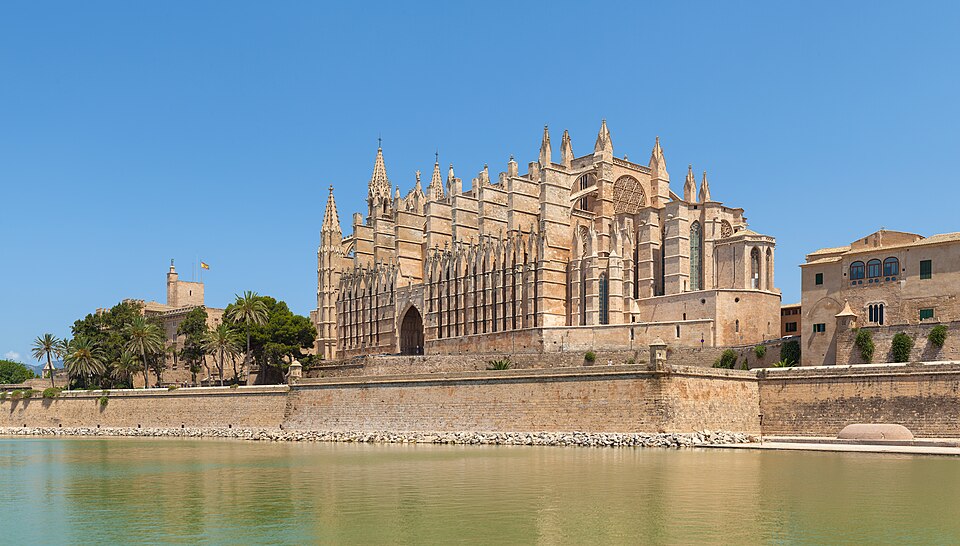
See the cathedral's rose window lit gold at dusk from the seafront park below, best light after 6pm.
Century-old bodega-style tavern for classic Mallorcan tapas and local wine by the barrel.
Mountain road into the Serra de Tramuntana; park near the Royal Charterhouse.
Cobbled streets and geranium-lined balconies around the Real Cartuja, where Chopin once stayed.
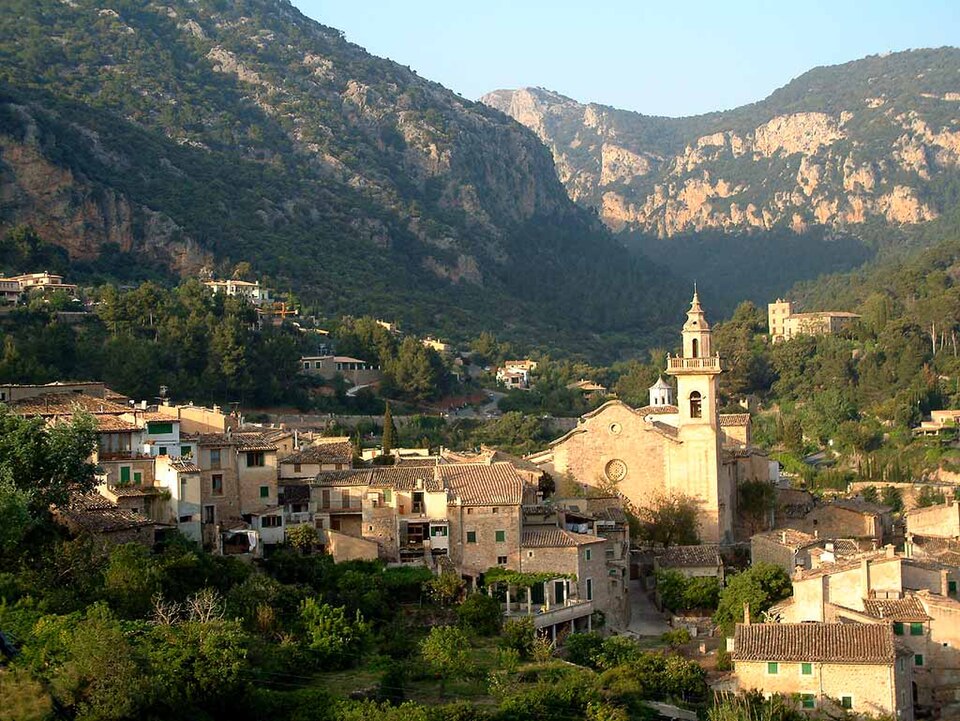
Climb the lane to the hilltop church and cemetery for the sweeping view over terraced hills to the sea.
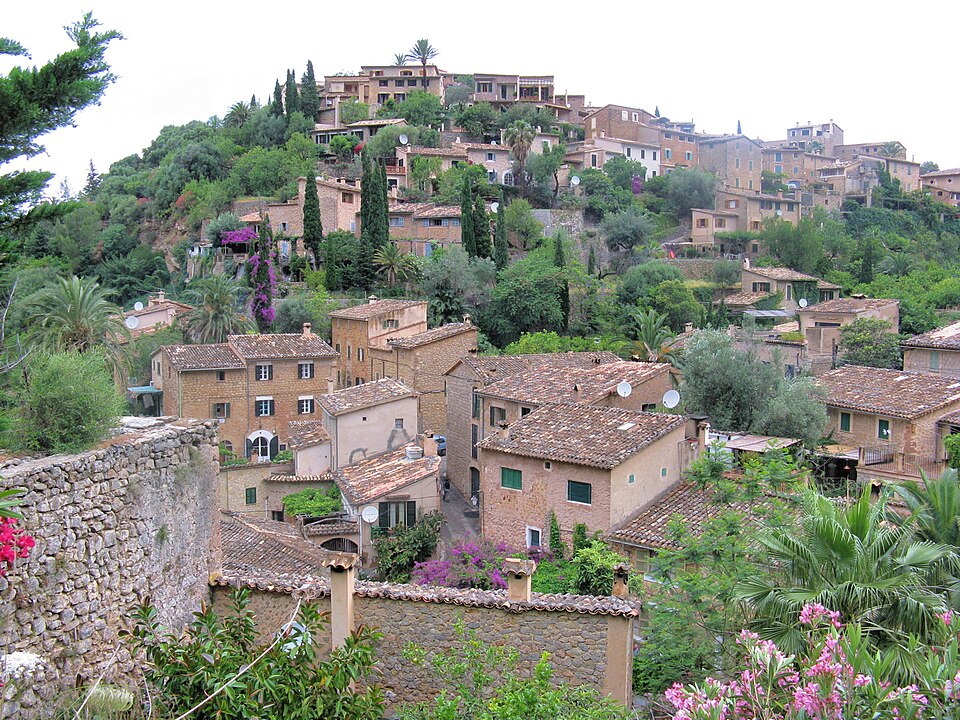
Tiny cliffside restaurant above Cala Deià, book ahead for the terrace over the cove, superb fresh fish.
Calm horseshoe bay with a promenade, swim off the pebbled shore near the old tram stop.
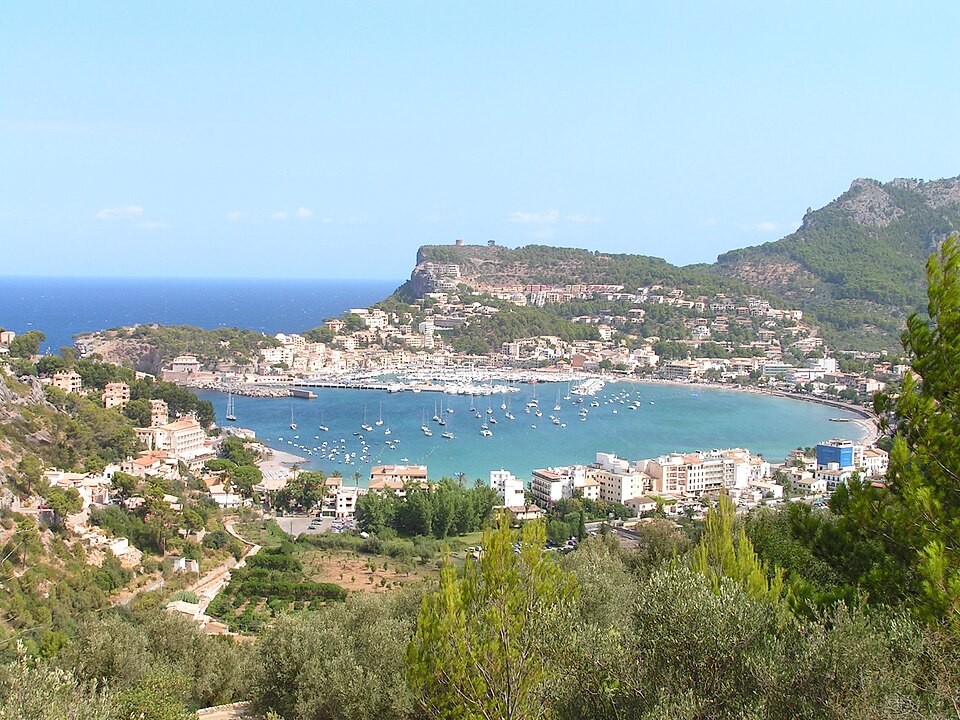
Return via the Coll de Sóller road, about 45 minutes.
Relaxed evening back in the city after a full mountain day.
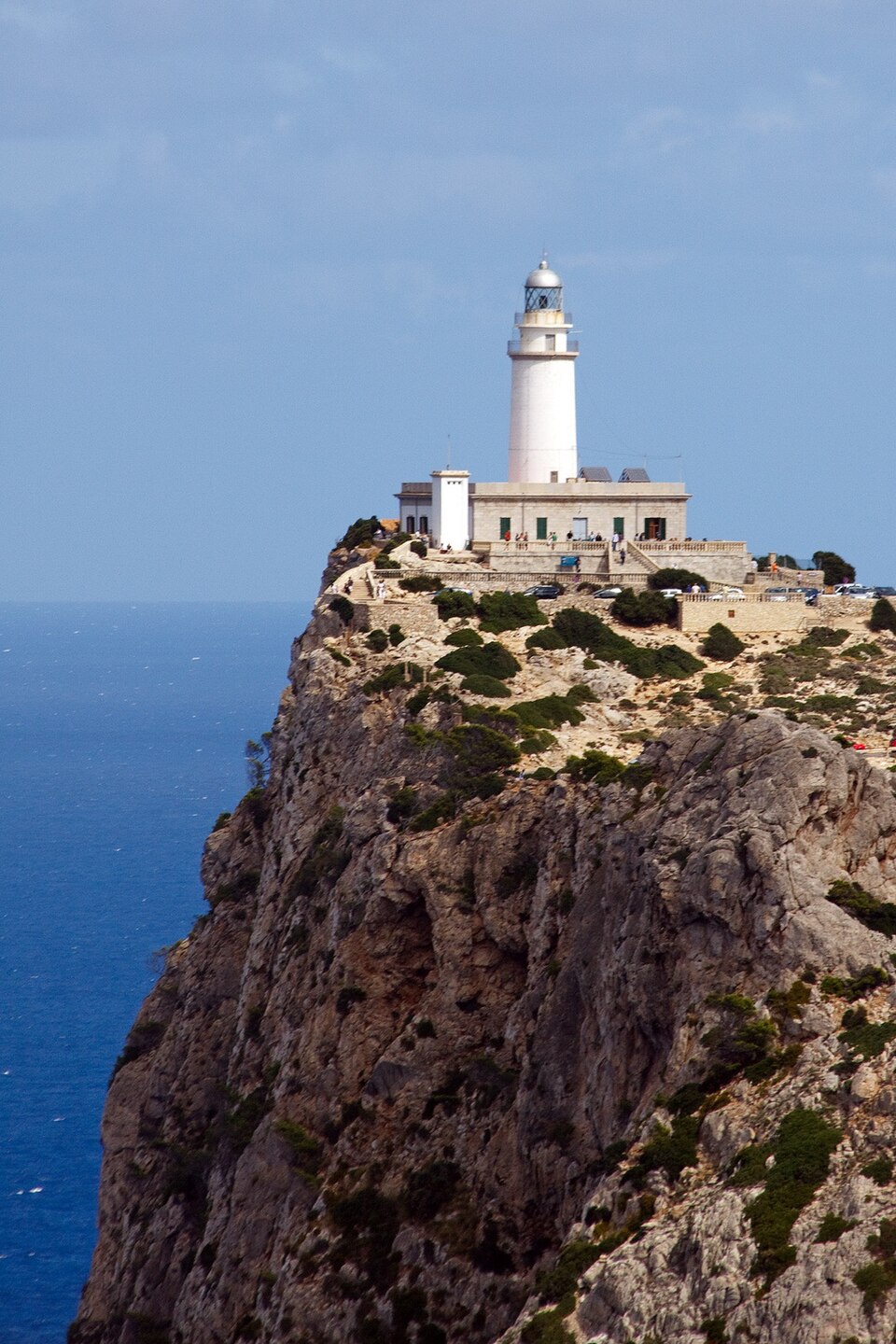
About 75 minutes north; the road hugs cliff edges, go early to beat tour buses at the lighthouse.
Mallorca's dramatic northern tip, the Mirador Es Colomer is the pull-off worth stopping for, sheer 200m drop to turquoise water.
Via the Ma-10 and the famous 270-degree Nus de sa Corbata hairpin down to the sea.
Walk the tunnel path to the pebble cove where the gorge meets the sea, then swim in the cold clear water.
Inland toward the hill towns for dinner.
Rustic farmhouse restaurant below Alaró's castle rock, famed for slow-roasted lamb straight from a wood oven.
Palma's produce and seafood market since 1951, wander the fish stalls before the midday close-up.
Palma's oldest café (1700), try an ensaimada or almond ice cream before heading to the airport.
One last look at La Seu from Parc de la Mar before returning the car and heading to the airport.
The island's coiled, powdered-sugar pastry, eaten for breakfast, carried home in octagonal boxes.
Rustic bread rubbed with tomato and olive oil, and the spreadable paprika sausage Mallorca is proudest of.
Mountain farmhouse cooking: lamb or suckling pig roasted for hours until it falls apart.
Grilled fish and prawns where the boats come in, the meal that tastes like the cove looks.
For this route, yes, days 2 and 3 are built on it. Skip it on arrival day; old-town Palma is walking territory and parking inside the walls is a headache.
Roughly six hours total, split across days 2 and 3. Day 3 is the big one by design; day 2’s hops between villages are short.
Ca’s Patro March’s terrace above Cala Deià (lunch seatings go fast in May) and, in high season, Es Verger fills early on weekends.
May–June or September: swimming weather, open restaurants, and the mountain roads before or after the coach-tour peak. July–August works but Sa Calobra parking becomes a battle by mid-morning.
You can cut day 3 and keep a satisfying trip, but the north coast is what makes Mallorca more than a city break, so cut the market morning first if you must.
Keep days 1 and 2 exactly as they are. Palma plus the Valldemossa–Deià–Sóller loop is the island’s essential day, and fold the market into your departure morning.
Add the southeast: Cala Mondragó and Caló des Moro early in the morning, Santanyí market if it’s Wednesday or Saturday, and a slow evening back in Palma or Pollença.
This trip was built for a typical first visit. You aren't typical. Find your loves, your budget, and your perfect Mallorca adventure by building on this trip with Hey Robin.
Finish this itinerary FREE at Hey Robin →

_majorca_spain_arp.jpg)

.jpg)