09:00–11:00
1Real Alcázar de Sevilla Sight
Arrive at opening to beat the crowds, the Mudéjar Patio de las Doncellas is the single best-preserved Moorish courtyard in Spain.
Patio de Banderas, s/n, 41004 Sevilla
Three days is Seville's natural rhythm: the Alcázar and the Giralda early on day one before the queues form, the whole of day two across the river in Triana among the ceramicists, and a gentler farewell of Casa de Pilatos and fried fish by the Torre del Oro. The plan eats standing up at bars older than most countries, sits down for exactly one flamenco show, and leaves the long Spanish afternoon gap exactly where the Sevillanos put it.
 Planned by Robin
3 days · 18 stops
Planned by Robin
3 days · 18 stops
Arrive at opening to beat the crowds, the Mudéjar Patio de las Doncellas is the single best-preserved Moorish courtyard in Spain.
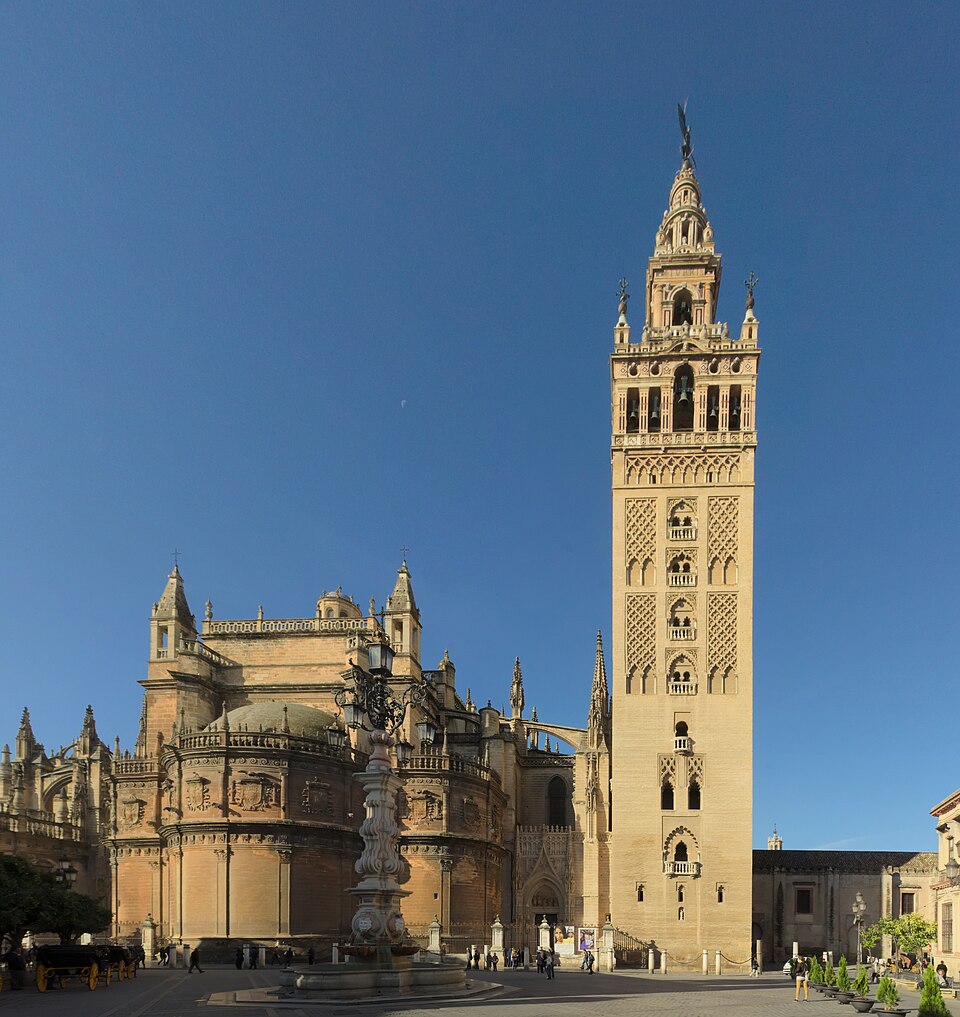
Climb the Giralda's ramps (not stairs, built for horses) for the best rooftop panorama in the old city.
Stand at the marble counter for cured ham and pringá, the tiny bar spills onto the street corner in Santa Cruz.
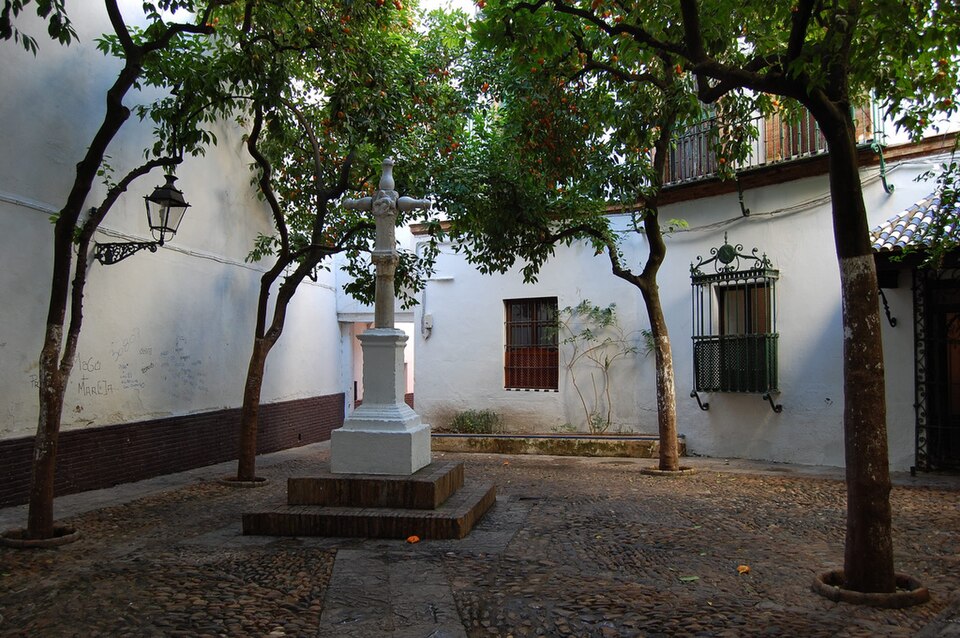
Wander the whitewashed alleys and hidden plazas of the old Jewish quarter. Plaza de Doña Elvira is the prettiest square to pause in.
An intimate 100-seat flamenco house in a restored 16th-century mansion, arrive 20 min early, seats aren't assigned.
Seville's oldest tapas bar (1670), the espinacas con garbanzos is the dish to order here.
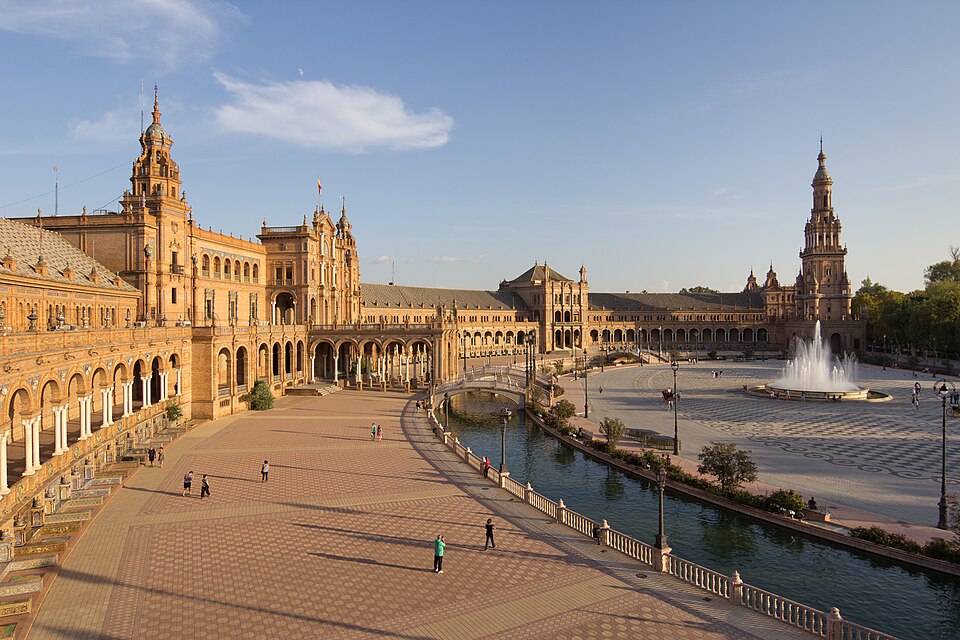
Come early for soft light on the tiled alcoves, each represents a Spanish province, best seen with no crowds yet.
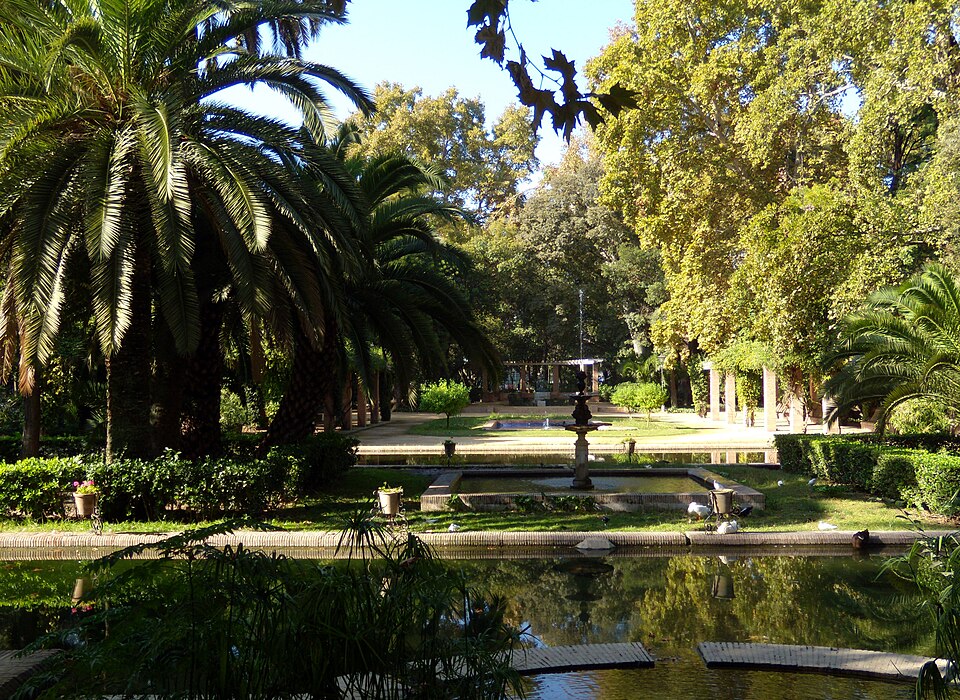
Shaded avenues, ceramic benches and orange trees, the city's grandest public garden, a stroll after Plaza de España.
Built over the old Castillo de San Jorge, graze the stalls for lunch amid Triana's fishmongers and ceramicists.
Walk the ceramic workshops of Calle Alfarería, then the Guadalquivir promenade. Triana's real, unpolished tile-making heart.
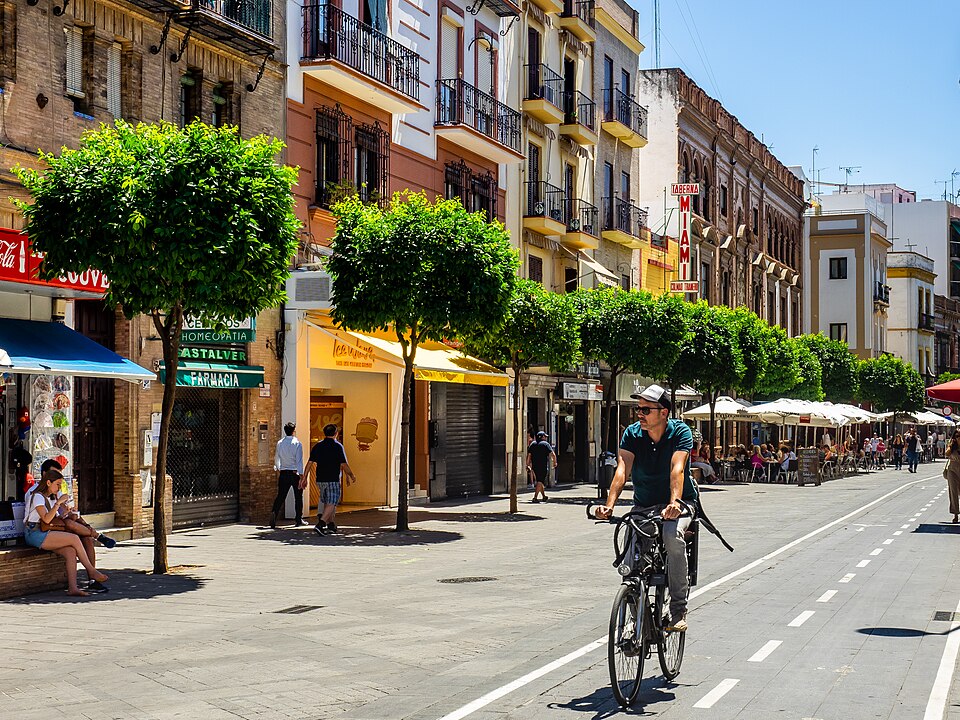
Sevilla's oldest working ceramics workshop (since 1870), watch hand-painting and pick up a genuine Triana tile.
Cross back over the Guadalquivir at golden hour, the Torre del Oro glows gold across the water from the bridge's midpoint.
A 200-year-old bodega with barrels for décor and no menu on the wall, order by asking what's fresh today.
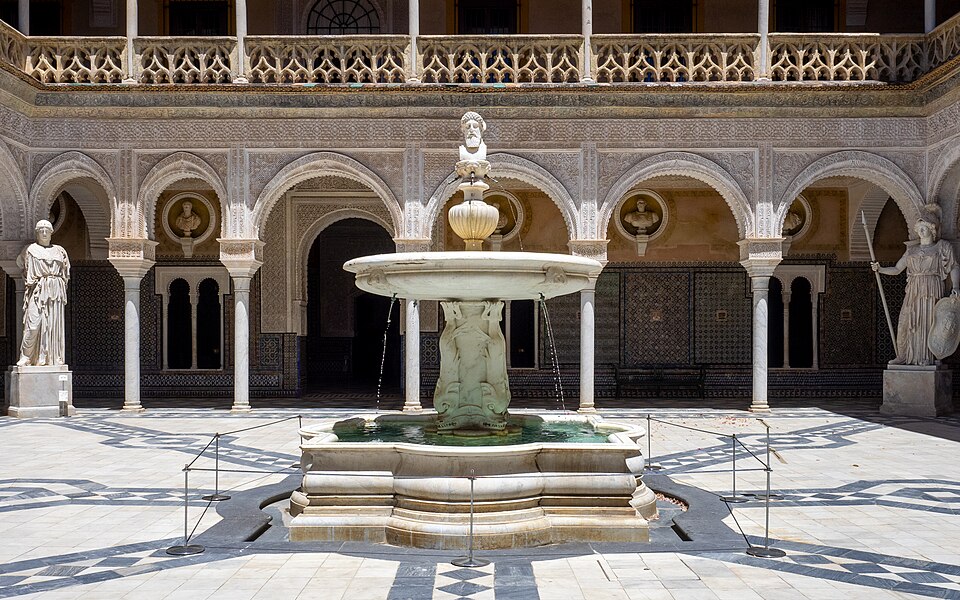
A quieter, still-inhabited Moorish-Renaissance palace, its azulejo tiling rivals the Alcázar with a fraction of the crowd.
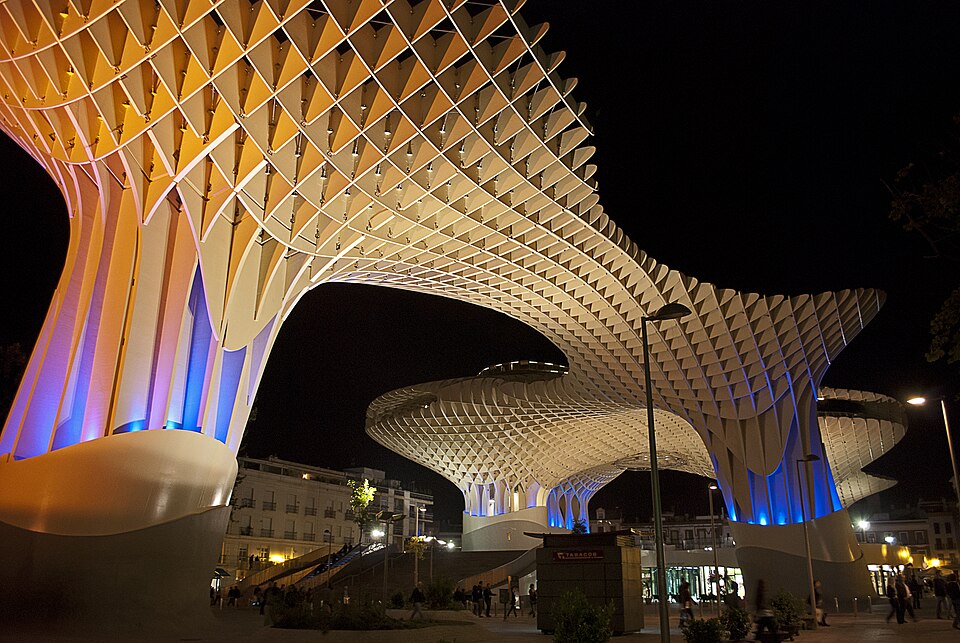
Ride the lift to the rooftop walkway, the modern wooden 'mushrooms' give a totally different skyline view over the old city.
A no-fuss fried-fish shop near the cathedral, a cone of pescaíto frito is the classic Sevillano light lunch.
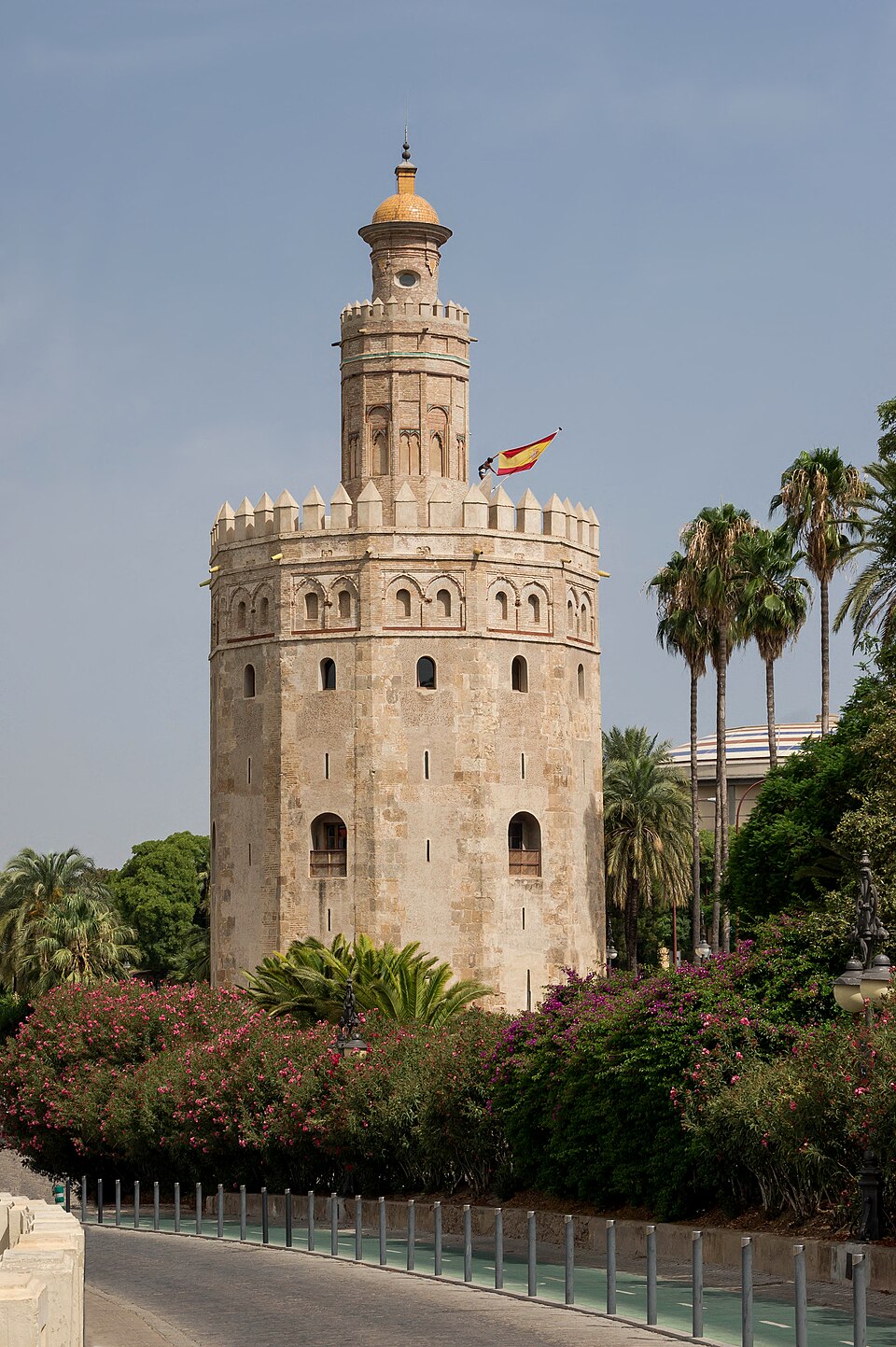
The 13th-century watchtower once anchored a chain across the river, walk the shaded riverside path beside it one last time.
A last standing-room tapas round in Santa Cruz to close the trip where it began.
The slow-cooked meats of the cocido, mashed into a warm montadito. Ordering it at a marble counter is a Seville rite of passage.
Spinach and chickpeas with cumin and fried bread, a Moorish-rooted dish Seville never let go of.
A paper cone of flash-fried fish, eaten in the street; Seville's answer to fish and chips predates them by centuries.
The barrels-for-tables bodega experience: no printed menu, just ask what came in today and trust the answer.
No, and genuinely do not bring one; the old town is a maze of pedestrianized lanes and residents-only streets. Everything on this plan is on foot, with the river crossing as the longest walk of the trip.
The Real Alcázar's timed tickets, as early as you can. Casa de la Memoria's hundred seats are unnumbered, so book the show and still arrive twenty minutes early. The cathedral and Casa de Pilatos are easier, but online tickets skip the lines.
Seville's airport is small and close: about 25 minutes by taxi to the old town, or the EA airport bus to Plaza de Armas if you are traveling light.
For Seville's core, yes, at the pace the city deserves. If Andalusia itself is the trip, the same region holds Córdoba's Mezquita and Granada's Alhambra; the week-long version of this route is its own page under related trips.
Both fall in spring and transform the city: unforgettable if they are why you came, but rooms triple in price and the monument queues swell. If your April dates are flexible, check the festival calendar before you book, or lean into it deliberately.
Split the Alcázar morning from the flamenco evening: add the Hospital de los Venerables and a slow Santa Cruz wander in between, and the day stops racing the clock.
The AVE puts the Mezquita 45 minutes away. Go early for the forest of striped arches, lunch in the Judería, and be back in Seville for a last evening in Triana.
Choose your Rome or your sherry: the amphitheater ruins at Itálica are a short bus ride, while Jerez's bodegas and horse culture make an easy rail day south.
This trip was built for a typical first visit. You aren't typical. Find your loves, your budget, and your perfect Seville adventure by building on this trip with Hey Robin.
Finish this itinerary FREE at Hey Robin →

_-_01.jpg)
.jpg)
.jpg)
.jpg)

