09:00–09:45
1Alfama Wander Walk
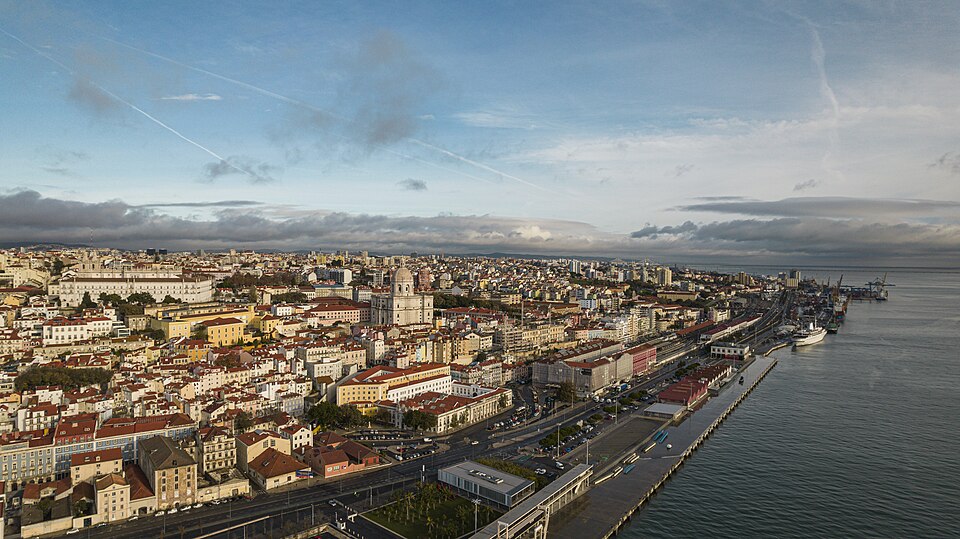
Lisbon's oldest, hilliest district, narrow lanes that predate the 1755 earthquake, best explored without a map.
Five days is Lisbon's sweet spot, and this plan shows why: Alfama's lanes and the castle first, Belém's monastery and warm pastéis second, the fairy-tale Sintra day third, downtown and a tiny fado room fourth, and a slow creative-quarter goodbye fifth. Have only three days, or a whole week? The end of this page reshapes the same plan both ways. Everything runs on trains, trams and your own two feet, and May is the city at its kindest.
 Planned by Robin
5 days · 26 stops
Planned by Robin
5 days · 26 stops
Lisbon's oldest, hilliest district, narrow lanes that predate the 1755 earthquake, best explored without a map.
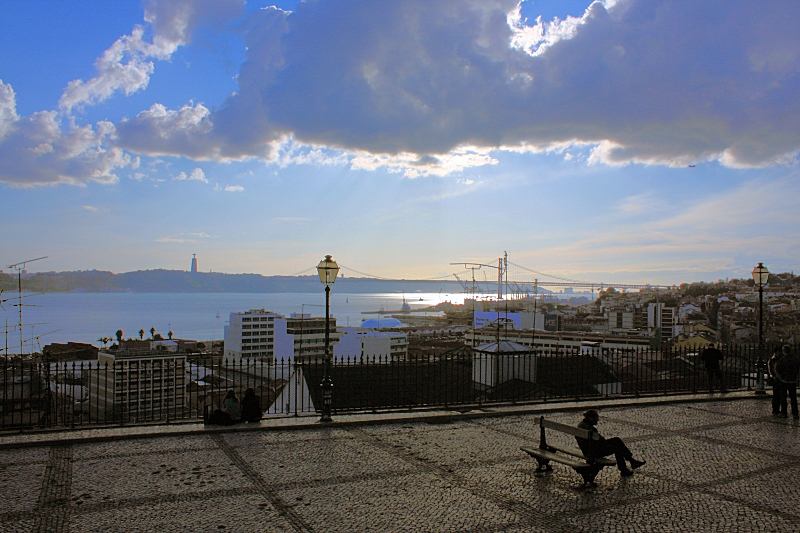
Classic terrace view over the Alfama rooftops to the Tagus, especially good in late-afternoon light.
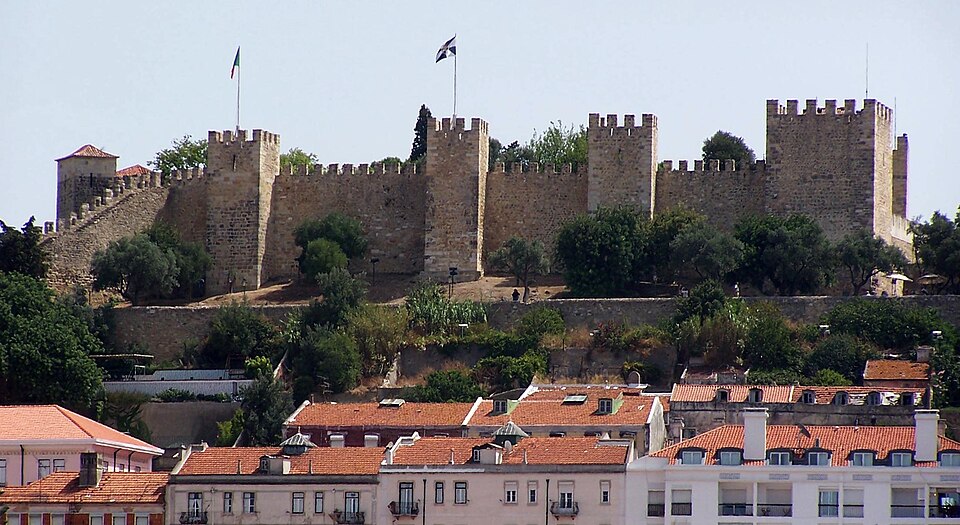
Moorish-era hilltop castle with the best 360° view in the city, climb the ramparts before closing.
Famed 'King of Chicken' grillhouse near Restauradores, the piri-piri frango is the local specialty to start with.
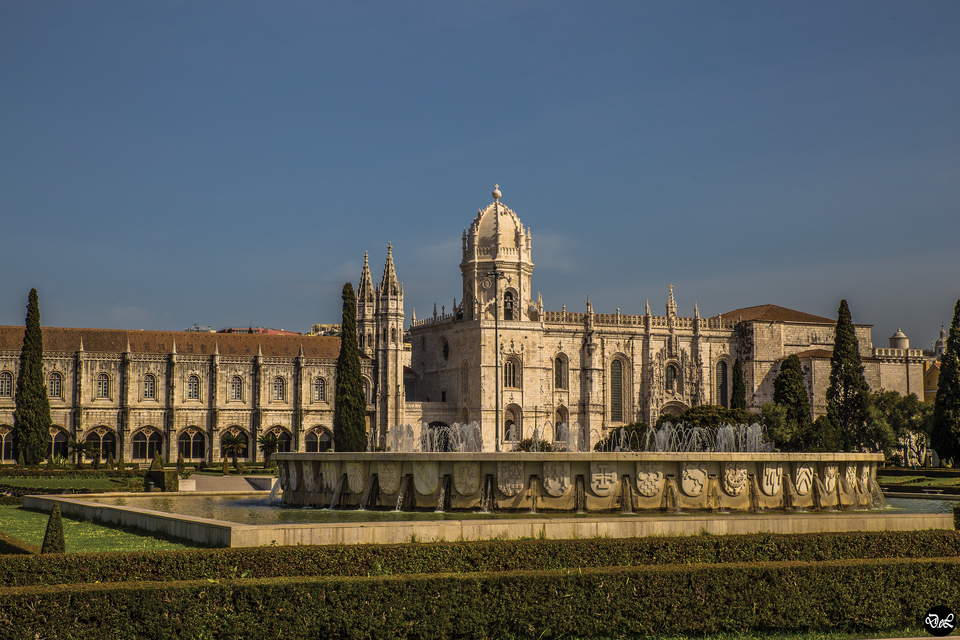
Manueline stonework funded by the spice trade; go right at opening to beat the tour buses.
The original custard-tart bakery since 1837, eat them warm here, not the imitators elsewhere.
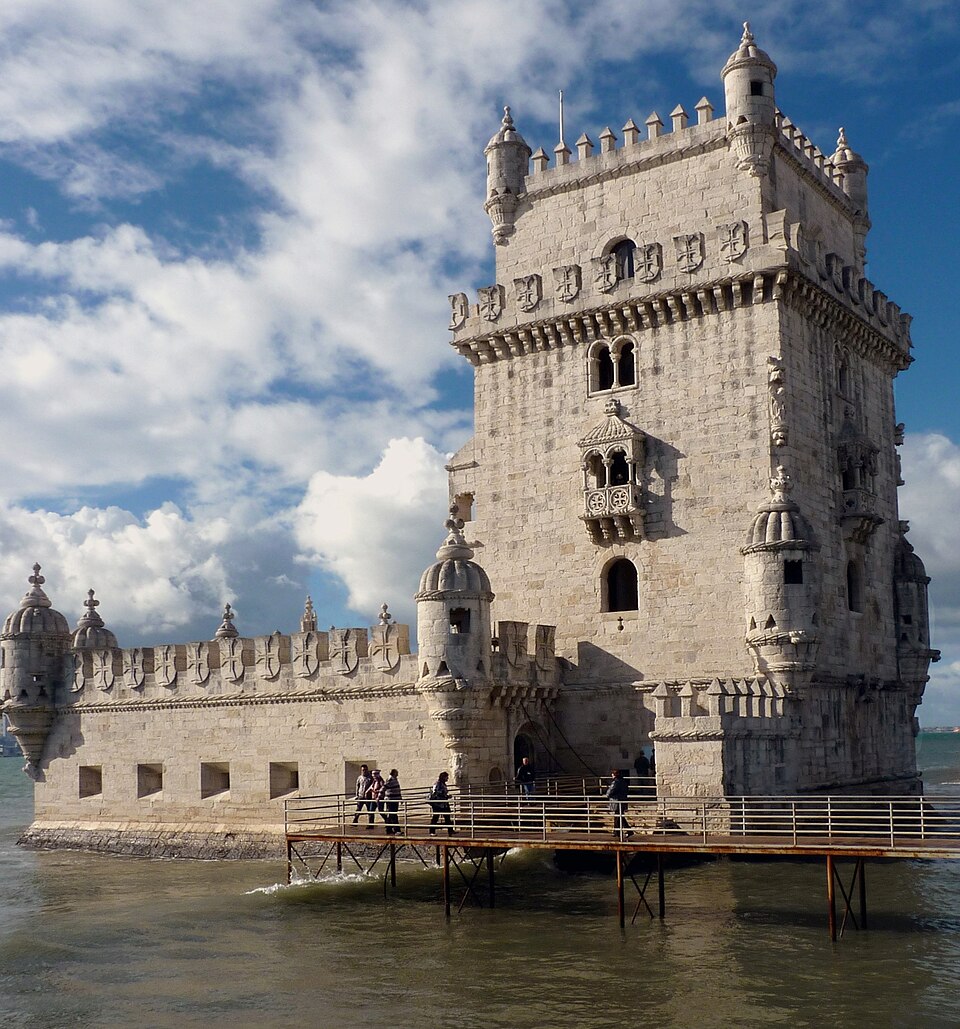
16th-century river fortress marking Portugal's Age of Discovery departures, climb for the narrow spiral stair views.
Carry any leftover pastries down to the riverside gardens between the tower and MAAT for a breather by the water.
The tiled, wave-roofed riverside building itself is the draw, a rare architectural counterpoint to the monastery.
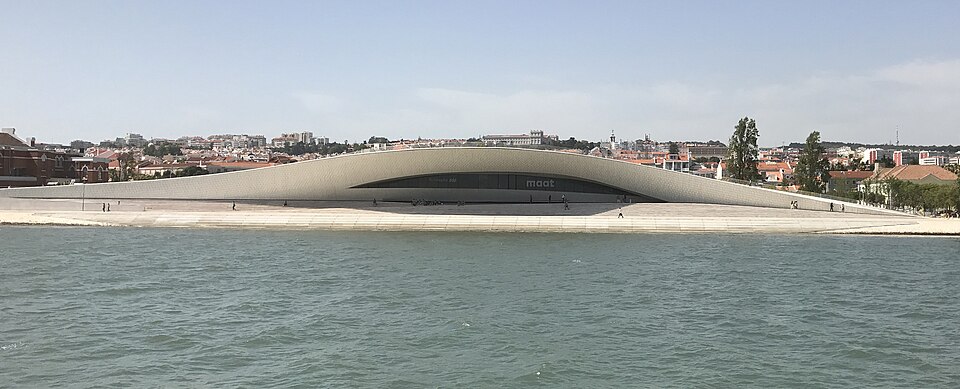
Curated food hall in the old Mercado da Ribeira, graze a couple of Lisbon's best-known stalls under one roof.
Direct train from Rossio station, roughly 40 minutes, get an early one to beat the palace queues.
Riotously colourful Romanticist palace atop the Sintra hills, arriving before 10am means you beat most tour coaches.
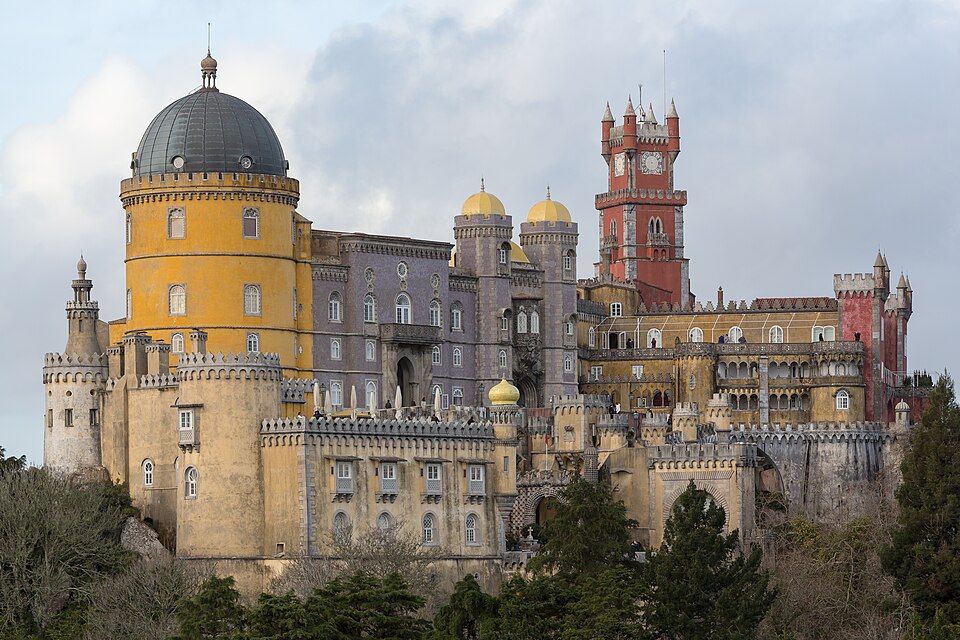
A sit-down lunch at a tasca in the old town square, below the National Palace's twin chimneys.
Symbol-laden gardens with the famous spiral Initiation Well, descend it slowly, it's the whole point.
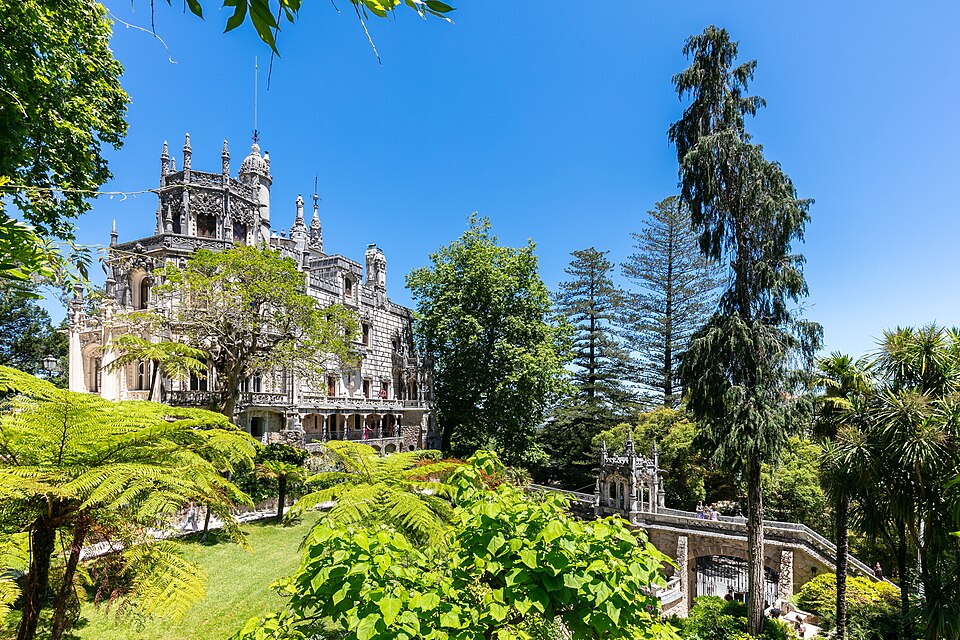
Cobbled lanes below the palace walls, ginjinha stands and azulejo shopfronts, no fixed stops, just wander.
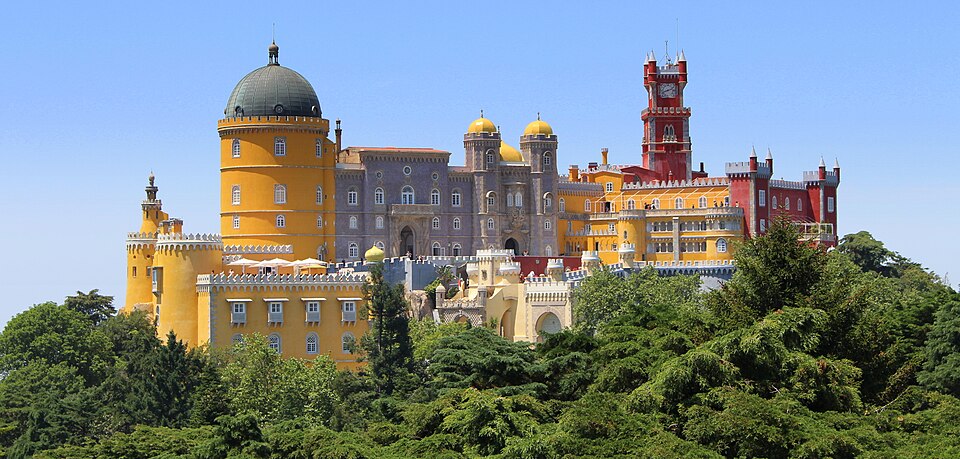
Trains run frequently back to Rossio; settle in for a quiet evening once back.
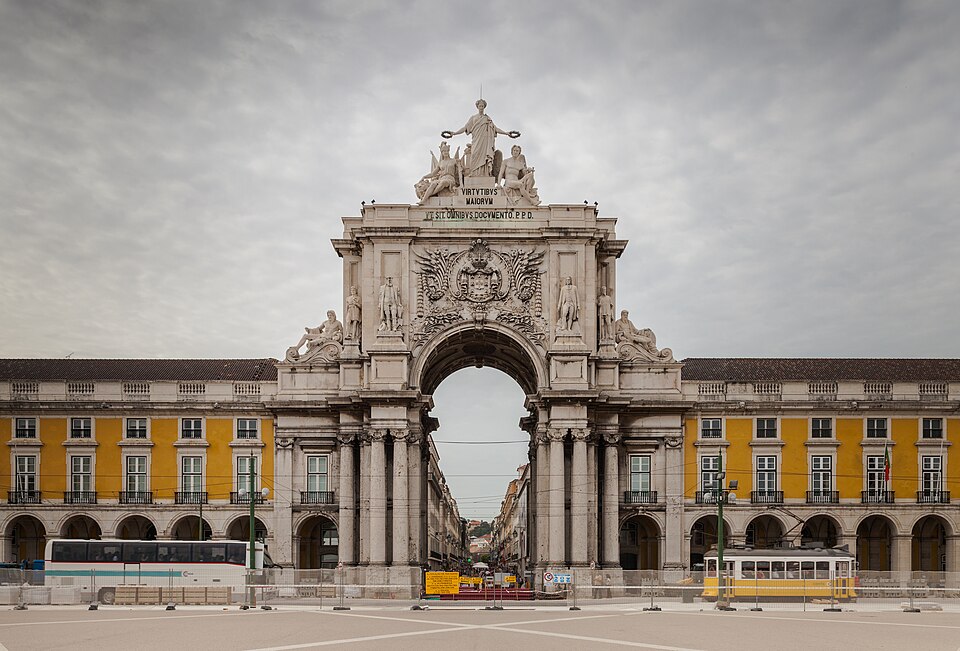
Lisbon's grand riverside square, rebuilt after the 1755 earthquake, climb the arch for a rooftop view over Baixa.
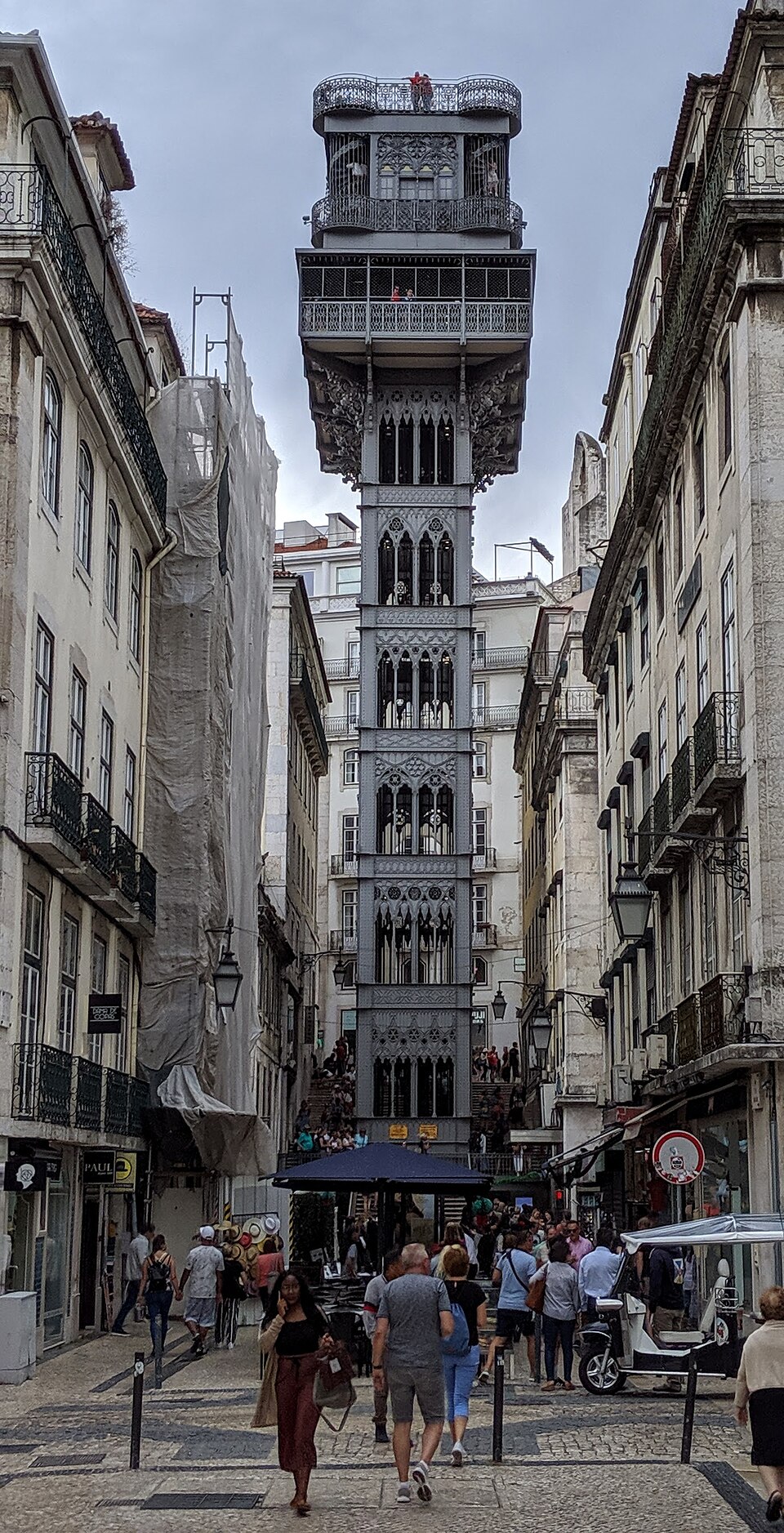
Wrought-iron Eiffel-school lift linking Baixa to Chiado, ride up, then look back down the shaft.
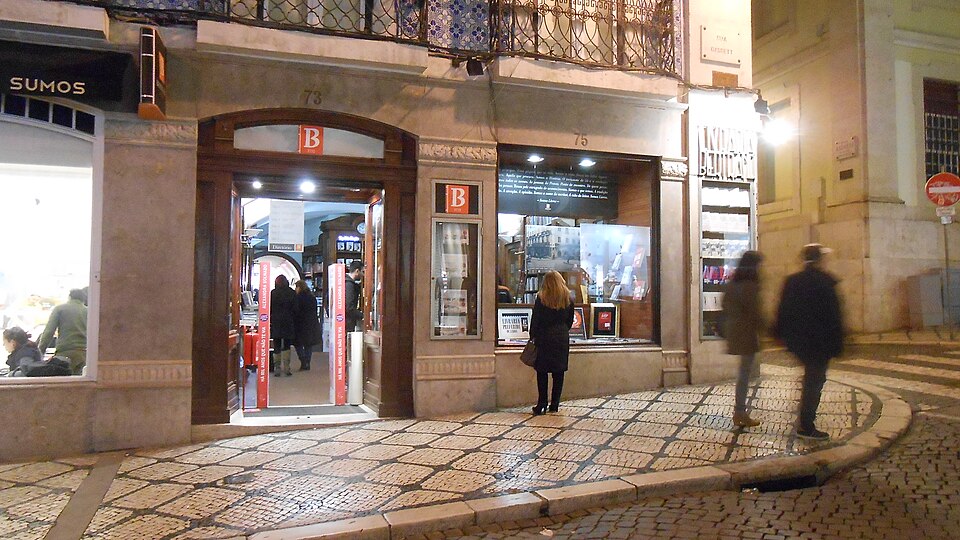
Guinness-certified oldest operating bookshop in the world (1732), worth a browse even without Portuguese.
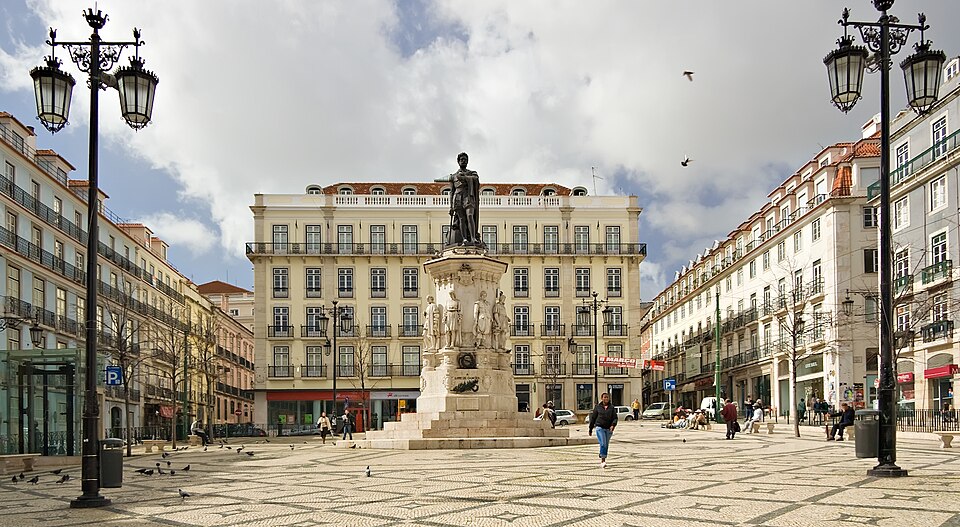
Café-lined streets and tiled facades, ending at a bench with a view as the light turns gold.
Riverfront terrace, popular with locals for a sunset drink watching the 25 de Abril bridge glow.
Legendary seafood house, queue-worthy for garlic prawns and tiger prawns, tonight's splurge meal.
Tiny, unamplified fado house in Bairro Alto, arrive early, seating is first-come and the room goes quiet for each singer.
Former textile mill turned creative quarter under the 25 de Abril bridge, indie shops, street art, and a slower morning pace.
Small, blackboard-menu tasca in Chiado doing inventive takes on Portuguese classics, book ahead, it's tiny.
Lisbon's highest viewpoint, quieter than the famous ones, a last look over the castle and river before you go.
At the source since 1837, dusted with cinnamon, eaten too hot because waiting is impossible. The queue moves fast; the counter inside moves faster.
Shellfish in furious garlic butter, bread for the sauce, and a steak sandwich for dessert because that is the house tradition.
Charcoal-grilled, brushed with chilli oil, served without ceremony at the institution nicknamed the king of chicken.
Sour-cherry liqueur in a thimble glass, drunk standing at a kiosk near Rossio, with or without the cherry; one is tradition, two is a decision.
No. Sintra goes by train from Rossio, Belém by tram or train from Cais do Sodré, and the rest is on foot; a car in Lisbon means hills, one-ways and garage fees with no payoff.
Pena Palace's timed entry, always. Cervejaria Ramiro takes queues rather than bookings at busy hours, so go early or embrace the wait, and Tasca do Chico's fado room is tiny; arrive well before the first set.
Steep. This plan builds each day around one hill system instead of criss-crossing, and uses the Santa Justa lift and viewpoints as breathers, but real shoes are non-negotiable on the calçada cobbles.
The metro runs from the terminal to the centre in about 25 minutes with one easy change; taxis and apps are quick outside rush hour. There is no reason to pre-book a transfer.
Three covers the city's core if you sacrifice either Sintra or Belém. Five, this plan, fits both without rushing. Seven adds the coast, the azulejo museum and the other side of the river; the reshapes below spell out both directions.
Alfama and the castle, Belém's monastery-to-market run, and the downtown-plus-fado day are the non-negotiable Lisbon core; day 5's slow goodbye folds into day 4's evening.
Three days means choosing: keep this trio for the city itself, or swap Belém for the Sintra day if palaces outrank monasteries for you. Doing both in three days ruins both.
Resist adding day 3's Sintra as a half day; the queues alone eat what is left. Ask Robin to rebalance the three keepers around your flight times instead.
Train along the water to Cascais, bikes to the Boca do Inferno cliffs, and Cabo da Roca, the continent's wind-blasted westernmost point, on the way back; Atlantic light all day.
The Museu Nacional do Azulejo in the morning, then the Cacilhas ferry for riverside grills and the Cristo Rei's view back at everything you have walked.
With a week, split day 4 in two: downtown and Carmo one day, Bairro Alto and fado another evening entirely; Lisbon's best hours are the unhurried ones between sights.
This trip was built for a typical first visit. You aren't typical. Find your loves, your budget, and your perfect Lisbon adventure by building on this trip with Hey Robin.
Finish this itinerary FREE at Hey Robin →


.jpg)


_(cropped2).jpg)


.jpg)
